
TYPES OF ELEPHANT EAR PLANT
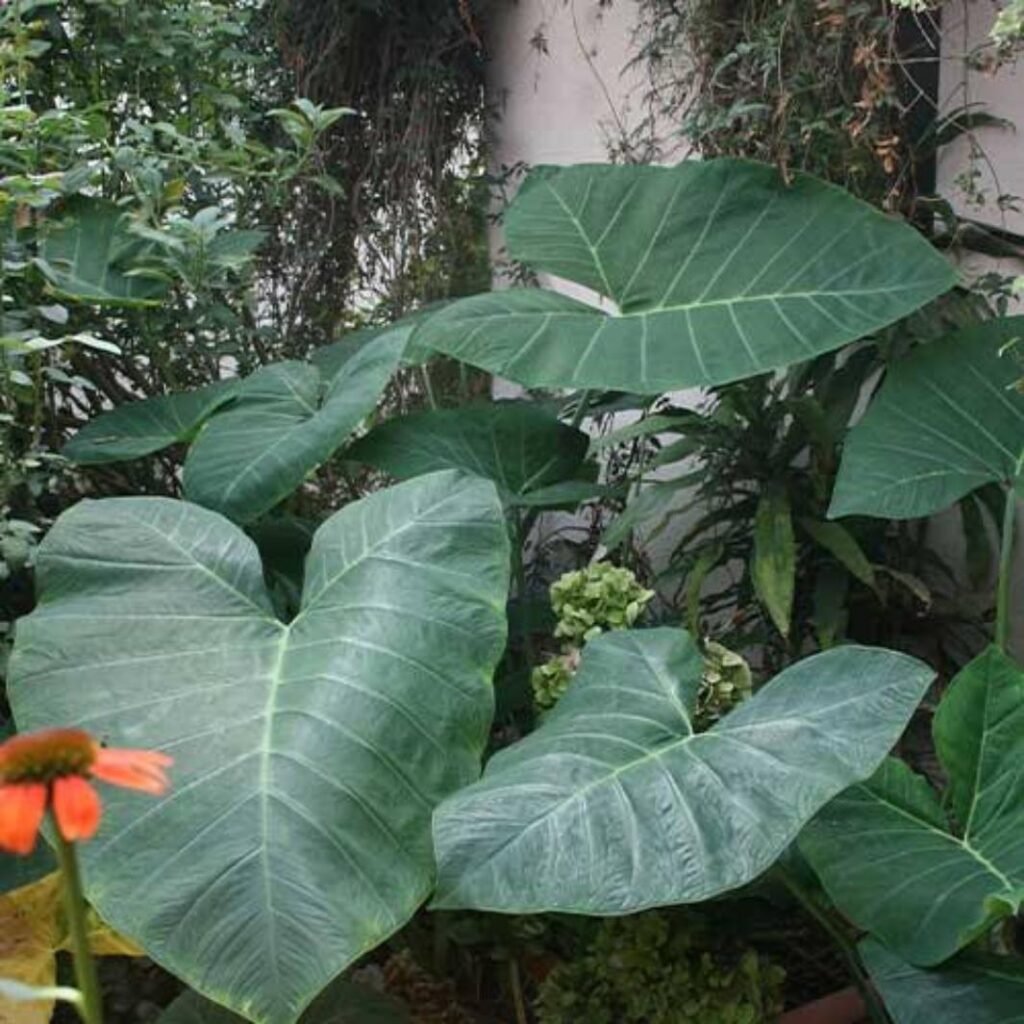
Elephant ear plants are tropical plants famous for their enormous, heart- or arrow-shaped leaves. There are several types of elephant ear plant, with different varieties known for their unique leaf shapes, sizes, and growing characteristics. The name “elephant ear” refers to several closely related plant groups rather than a single species. They are popular as ornamental plants in gardens and as houseplants
- there are several types of elephant ear plants
1. Colocasia
- Leaves usually point downward.
- Loves wet or moist soil.
- The most common species is Colocasia esculenta, also known as taro.
- Can grow 3–8 feet (1–2.5 metres) tall.
2. Alocasia
- Leaves typically point upward.
- Prefers well-drained soil.
- Often grown indoors.
- Many varieties have striking veins and glossy foliage.
3. Xanthosoma
- Similar appearance to Colocasia.
- Grown as both an ornamental and food crop in tropical regions.
- Produces large, arrow-shaped leaves.
Appearance of types of elephant ear plant
- Huge green, purple, black, or variegated leaves
- Leaf size: 1–6 feet (30–180 cm) long, depending on the variety
- Thick stems emerging from underground bulbs or corms
- Mature plants can spread 2–6 feet (60–180 c
growing condition for types of elephant ear plant
Light
- Bright indirect light or partial shade
- Some varieties tolerate full sun if kept well watered
Soil
- Rich, fertile, well-draining soil
- Plenty of organic matter helps support vigorous growth
Water
- Keep the soil consistently moist.
- Never let the soil dry out completely, especially during summer.
Temperature
- Ideal: 18–30°C (65–86°F)
- Most varieties dislike temperatures below 10°C (50°F).
Humidity
- Prefer 50–80% humidity
- Indoor plants appreciate occasional misting or a humidifier.
Fertiliser
Feed every 2–4 weeks during spring and summer with a balanced liquid fertiliser. Reduce feeding in autumn and winter.
Propagation
Elephant ears are usually propagated by:
- Dividing corms or rhizomes
- Separating offsets (baby plants)
- Replanting the divisions in moist soil
Common Problems of types of elephant ear plant
| Problem | Cause | Solution |
|---|---|---|
| Yellow leaves | Overwatering or ageing | Adjust watering; remove old leaves |
| Brown edges | Dry air or underwatering | Increase humidity and water consistently |
| Drooping leaves | Heat stress or lack of water | Water thoroughly and provide some shade |
| Pest damage | Spider mites, aphids, mealybugs | Treat with insecticidal soap or neem oil |
Toxicity
Many elephant ear plants contain calcium oxalate crystals, which can irritate the mouth, throat, and skin if chewed or handled. They are considered toxic to cats, dogs, and people if eaten raw. Wear gloves if yhttps://elephantearplant.online/how-to.ou have sensitive skin.
Uses
- Tropical landscape gardens
- Patio containers
- Indoor decoration (especially compact Alocasia varieties)
- Water gardens (many Colocasia varieties thrive in very wet conditions)
- Food crop: Taro (Colocasia esculenta) corms and leaves are eaten in many countries after proper cooking, which destroys irritating compounds.
Popular Varieties
- Black Magic – Deep purple to nearly black leaves
- Mojito – Green leaves with dramatic black speckles
- Polly (African Mask Plant) – Dark green leaves with bold white veins
- Regal Shields – Large velvety leaves with purple undersides
- Illustris – Green leaves marked with dark purple-black patterns
Interesting Facts
- Some elephant ear species can grow over 10 feet (3 metres) tall in tropical climates.
- They are among the fastest-growing foliage plants during warm weather.
- Taro, a type of elephant ear, has been cultivated for thousands of years as a staple food in many Pacific, Asian, and African cultures.
- Their large leaves can collect rainwater, creating tiny habitats for insects and other small organisms.
With warmth, moisture, fertile soil, and adequate humidity, elephant ear plants reward gardeners with dramatic, lush foliage that brings a tropical look to gardens, patios, and indoor spaces.
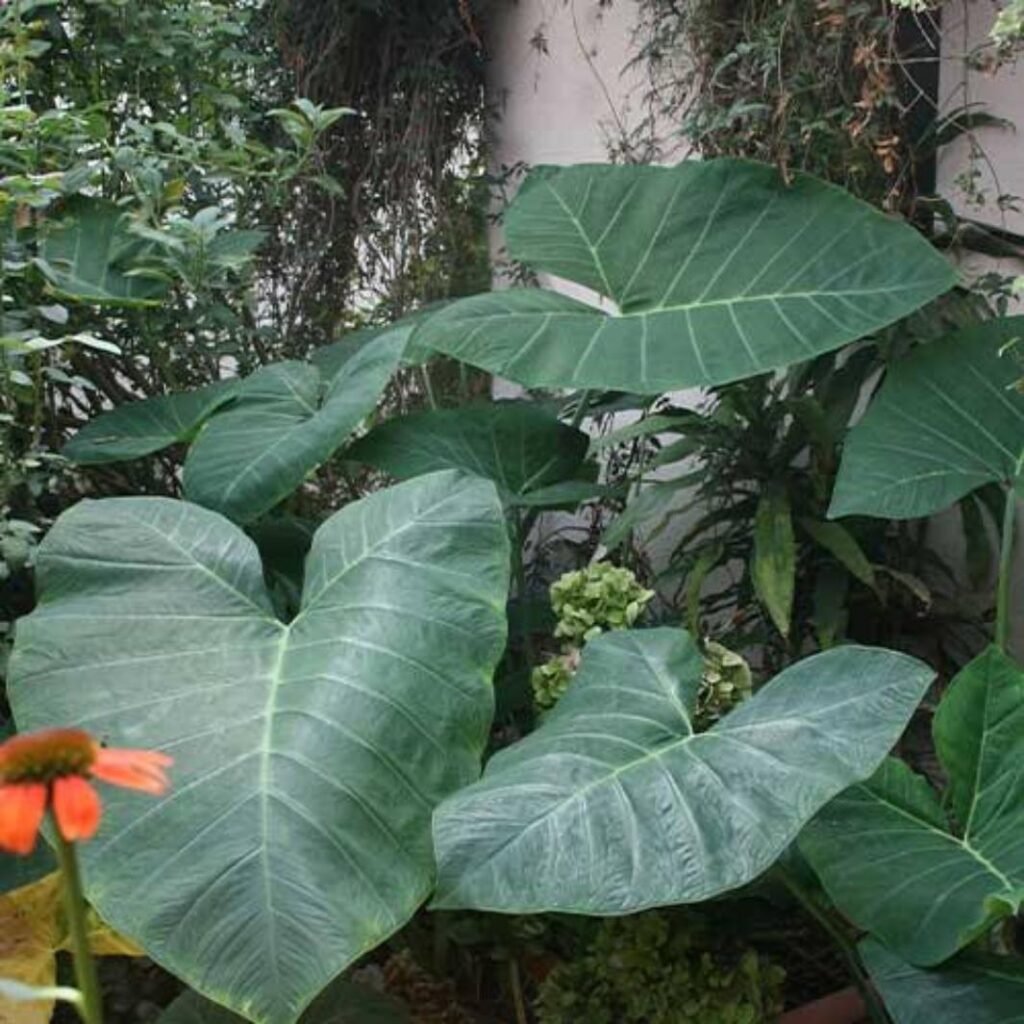
- here our types of elephant ear plant

Leave a Reply