
HOW TO CARE ELEPHANT EAR PLANTS
1. Provide Bright Light
Elephant ear plants are tropical plants grown for tTYPES OF ELEPHANT EAR PLANTheir large, heart-shaped leaves. With the right care, they produce lush foliage throughout the growing season how to care elephant ear plants
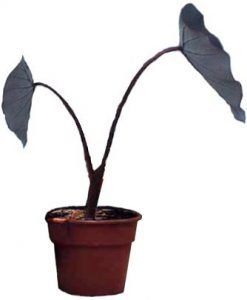
- Grow in partial shade or bright, indirecthttps://gardeningsolutions.ifas.ufl.edu/plants/ornamentals/elephant-ears/ sunlight.
- In cooler climates, they can tolerate 4–6 hours of morning sun.
- Avoid harsh afternoon sunlight, which may scorch the leaves.
2. Water Regularly
- Keep the soil consistently moist, but not waterlogged.
- Water deeply whenever the top inch (2–3 cm) of soil begins to dry.
- During hot weather, they may need watering every day.
3. Use Rich, Well-Draining Soil
- Plant in fertile soil rich in organic matter.
- Mix compost or well-rotted manure into the soil before planting.
- Ensure good drainage to prevent root rot.
4. Fertilize During the Growing Season
- Feed every 2–4 weeks with a balanced liquid fertilizer.
- Nitrogen-rich fertilizers encourage larger, greener leaves.
- Reduce feeding in autumn and stop during winter dormancy.
5. Maintain Warm Temperatures
- Ideal temperature: 18–30°C (65–86°F).
- Protect plants from frost, as cold temperatures can damage or kill them.
6. Increase Humidity
- Elephant ear plants prefer high humidity.
- Mist the leaves occasionally or place the pot on a pebble tray filled with water.
- Indoor plants benefit from a humidifier.
7. Prune Damaged Leaves
- Remove yellow, brown, or damaged leaves with clean pruning shears.
- This improves the plant’s appearance and encourages new growth.
8. Watch for Pests
Common pests include:
- Spider mites
- Aphids
- Mealybugs
Inspect leaves regularly and treat infestations with insecticidal soap or neem oil.
9. Winter Care
- In cold regions, lift and store the tubers before the first frost.
- Keep them in a cool, dry place until spring.
- Indoor plants need less water during winter.
Common Problems
| Problem | Possible Cause | Solution |
|---|---|---|
| Yellow leaves | Overwatering | Improve drainage and reduce watering |
| Brown leaf edges | Low humidity or underwatering | Increase humidity and water consistently |
| Drooping leaves | Lack of water or heat stress | Water thoroughly and protect from intense afternoon sun |
| Small leaves | Insufficient nutrients or light | Fertilize regularly and provi |
SOME TIPS FOR HOW TO CARE ELEPHANT EAR PLANTS
- 🌿 Bright, indirect light or partial shade
- 💧 Keep soil evenly moist
- 🌱 Rich, well-draining soil
- 🌡️ Warm temperatures (18–30°C)
- 💦 High humidity
- 🌼 Fertilize every 2–4 weeks during active growth
- ✂️ Remove damaged leaves regularly
With proper light, moisture, warmth, and nutrients, elephant ear plants will reward you with large, vibrant leaves that create a bold tropical look in gardens or containers.

Leave a Reply